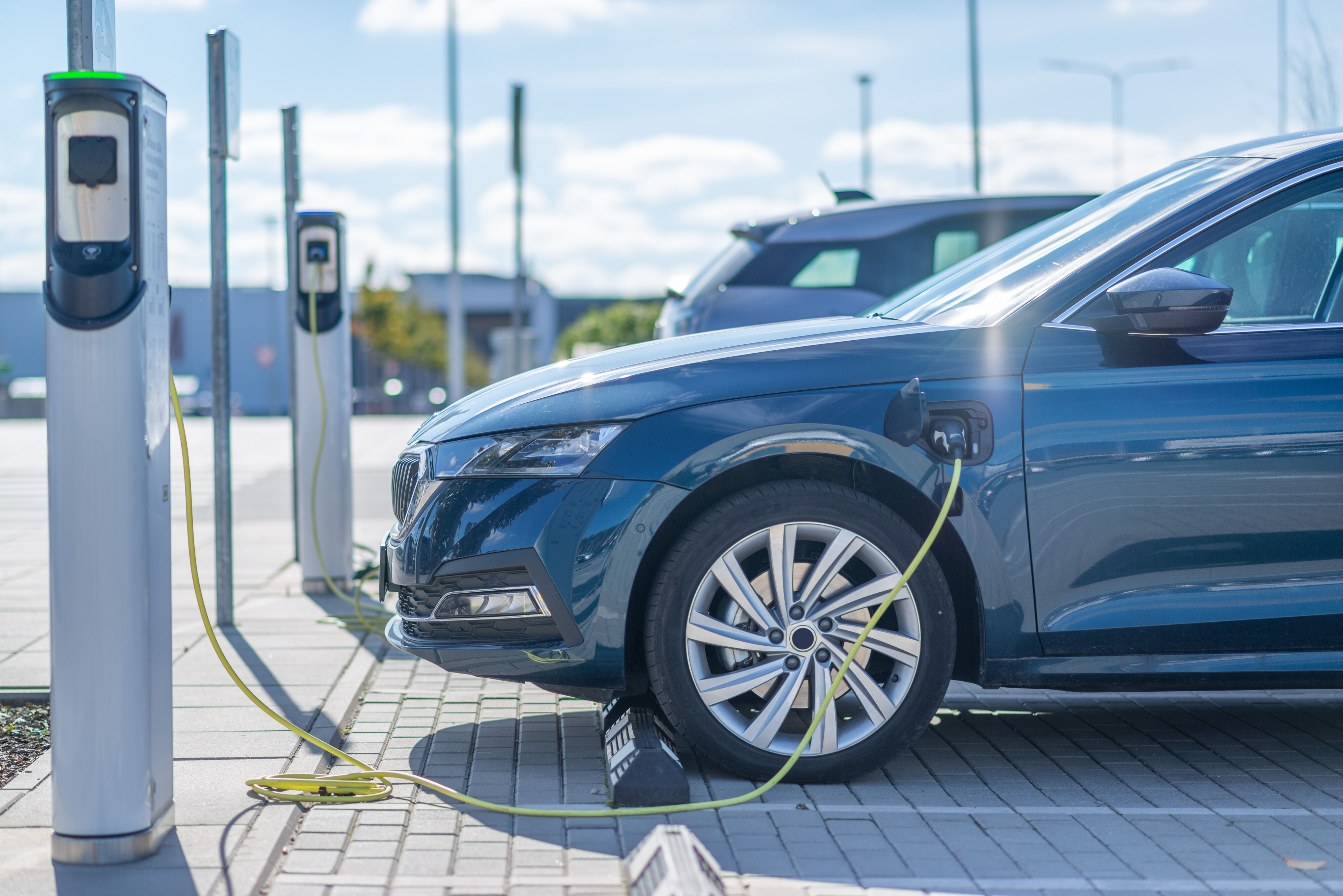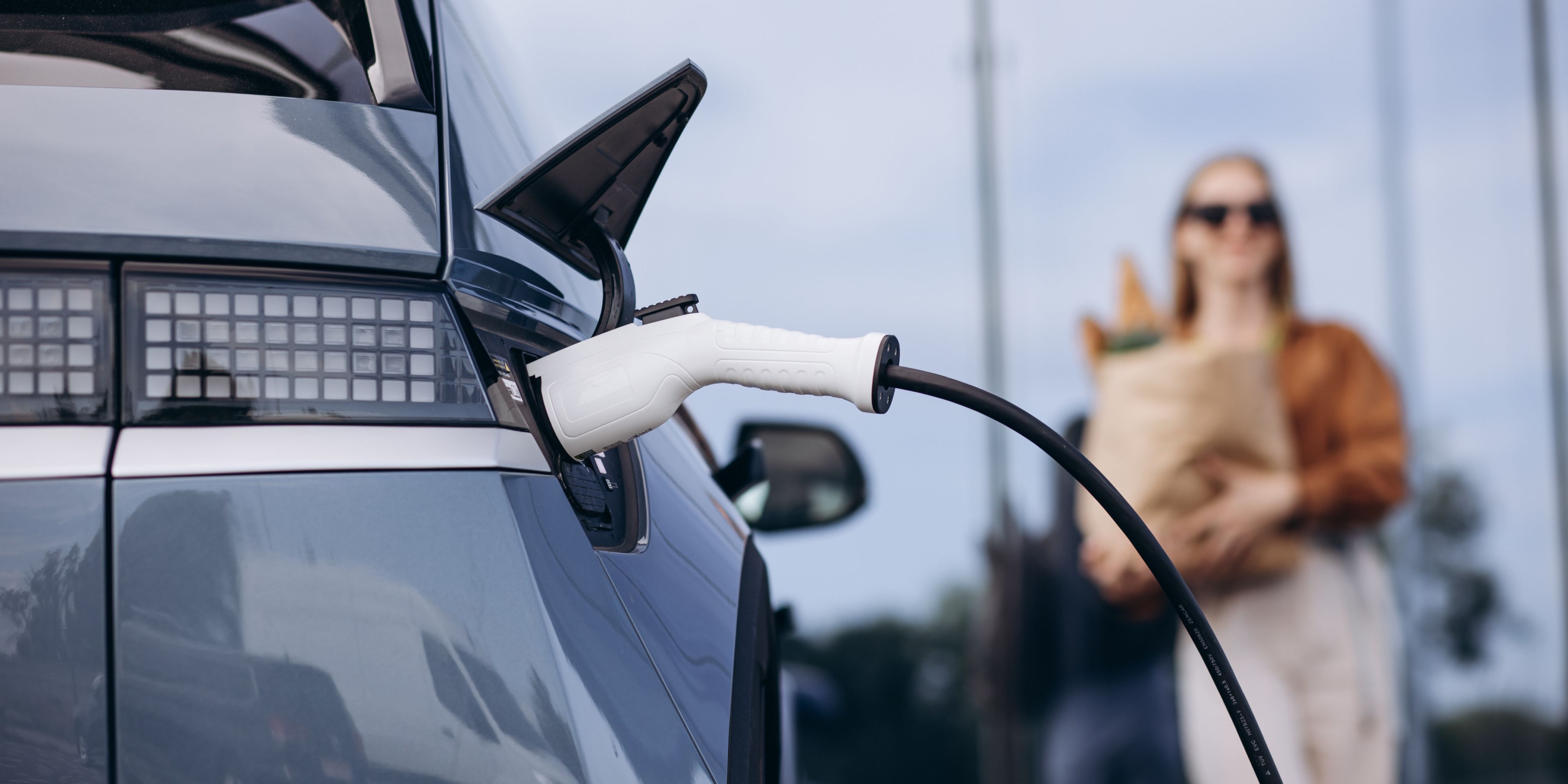


In March, the market for alternative powertrains (all-electric, plug-in and non-plug-in hybrids, and natural gas vehicles) grew by 30.5 percent to 189,525 units, with international brands accounting for approximately 43.8 percent of the total. This is evident from an analysis of figures from the Federal Motor Transport Authority (KBA) conducted by the Association of International Motor Vehicle Manufacturers (VDIK). The share of new registrations with alternative powertrains in the overall market rose to 64.4 percent in March; in March 2025, it was still 57.3 percent. In the first quarter of 2026, 444,008 passenger cars with alternative powertrains were newly registered, representing an increase of approximately 19.4 percent compared to the same period last year.
New registrations of battery electric vehicles (BEVs) rose by 66.2 percent in March to 70,663 units. The BEV share of total new passenger car registrations thus reached 24.0 percent. This is approximately 7.2 percentage points higher than in the same month last year and, at +2.1 percentage points, also above the market share in the previous month. International manufacturers saw BEV registrations rise by 64.7 percent to 28,044 vehicles in March. As a result, the BEV market share of international manufacturers in the first quarter of 2026 stood at 42.7 percent, which is 3.7 percentage points higher than in the same period of 2025. The total market share of BEV passenger cars since January 2026 has been 22.8 percent.
VDIK President Imelda Labbé: “International brands have once again significantly increased their share of the BEV market. This is due in no small part to their innovative and affordable vehicles in the entry-level segment. In fact, the top six spots on the current AUTO BILD ranking of small electric cars priced up to 32,500 euros are occupied exclusively by models from international manufacturers. It is now becoming apparent that international manufacturers bet early on the development of electric small cars.”
New registrations of plug-in hybrid vehicles (PHEVs) also recorded lower double-digit growth rates again in March. 29,996 new PHEVs hit the roads, representing a 13.0 percent increase over the same month last year. This represented 10.2 percent of all new passenger car registrations, about 0.3 percentage points lower than in March 2025. The market share of international automakers in the plug-in hybrid segment stood at 42.1 percent in March. After one quarter, the PHEV market has a total market share of 10.9 percent for the current year.
Together, electric vehicles (BEVs, plug-in hybrids, and fuel cell vehicles) accounted for a market share of 34.2 percent in March, with 100,660 new registrations. This represents a 45.7 percent increase compared to the same month last year. Since records began, this is only the fourth time that the threshold of 100,000 monthly new electric vehicle registrations has been surpassed; previously, this always occurred before the expiration of a purchase incentive. In the first quarter of 2026, the electric vehicle market reached 235,750 new registrations, representing a 33.4 percent increase.
New registrations of non-plug-in hybrid vehicles also rose in March, by 17.4 percent. The 87,850 new registrations account for 29.9 percent of all new passenger car registrations. The market share of international automakers in the hybrid segment stood at 47.1 percent in March 2026. Since the beginning of the year, approximately 7.4 percent more non-plug-in hybrid vehicles have been newly registered than in the same quarter of the previous year.
In addition, 1,015 LPG passenger cars (-18.9 percent) were newly registered in March. Since the beginning of the year, new registrations of LPG passenger cars have totaled 1,692 units (-41.2 percent).
New registrations of pure internal combustion engine passenger cars reached 104,623 units in March, of which 66,959 were petrol (-4.9 percent) and 37,664 were diesel-powered (-0.6 percent). Gasoline-powered cars accounted for 22.8 percent of passenger car registrations, while diesel-powered cars accounted for 12.8 percent.
| March | January-March | |||||||
|---|---|---|---|---|---|---|---|---|
| +/- (%) | Share of total car market (%) | Share of international brands (%) | +/- (%) | Share of total car market (%) | Share of international brands (%) | |||
| BEV | 70.663 | 66,2 | 24,0 | 39,7 | 159.630 | 41,3 | 22,8 | 42,7 |
| PHEV | 29.996 | 13,0 | 10,2 | 42,1 | 76.114 | 19,3 | 10,9 | 37,5 |
| FCEV | 1 | -66,7 | 0,0 | 100,0 | 6 | -25,0 | 0,0 | 100,0 |
| Electric Vehicles (total) | 100.660 | 45,7 | 34,2 | 40,4 | 235.750 | 33,4 | 33,7 | 41,0 |
| HEV including: | 87.850 | 17,4 | 29,9 | 47,1 | 206.566 | 7,4 | 29,5 | 45,0 |
| full-hybrid | 16.690 | 31,4 | 5,7 | 90,5 | 36.847 | 29,4 | 5,3 | 89,8 |
| mild-hybrid | 71.160 | 14,5 | 24,2 | 36,9 | 169.719 | 3,6 | 24,3 | 35,2 |
| CNG | 0 | 0,0 | 0,0 | – | 0 | -100,0 | 0,0 | – |
| LPG | 1.015 | -18,9 | 0,3 | 99,2 | 1.692 | -41,2 | 0,2 | 98,9 |
| Alternative Drivetrains (total) | 189.525 | 30,5 | 64,4 | 43,8 | 440.008 | 19,4 | 63,5 | 43,1 |
| Petrol | 66.959 | -4,9 | 22,8 | 45,5 | 159.058 | -16,1 | 22,7 | 45,2 |
| Diesel | 37.664 | -0,6 | 12,8 | 96.311 | -6,5 | 13,8 | ||
| Passenger cars (total) | 294.161 | 16,0 | 44,4 | 699.404 | 5,2 | 43,8 | ||
Electric vehicles: BEV, PHEV und FCEV
BEV, Batterieelektrisches Fahrzeug, engl: Battery Electric Vehicle
PHEV, Plug-In-Hybrid, engl: Plug-In Hybrid Electric Vehicle
FCEV, Brennstoffzellenfahrzeug / Wasserstofffahrzeug, engl.: Fuel Cell Electric Vehicle
Hybride, Hybrid ohne Stecker bzw. nicht aufladbar, engl.: Hybrid Electric Vehicle
CNG, Gasförmiges Erdgas, engl: Compressed Natural Gas
LPG, Flüssiggas bzw. Autogas, engl: Liquified Petroleum Gas
Models with a maximum e-motor output of 20 KW are classified as mild hybrids, while full hybrids have a maximum e-motor output of more than 20 KW.