

How can automakers, the insurance industry, and repair shops collaborate to get a handle on the rapidly rising costs of collision damage management? This was the central question addressed at the joint expert panel discussion “Potential in Collision Damage Management” organized by the Association of International Motor Vehicle Manufacturers (VDIK) and Automechanika Frankfurt.
“Driving has been getting more expensive for years; according to the DAT Report 2026, over 77 percent of customers are unsure whether they will still be able to afford personal mobility in the future, with ownership costs playing a major role. More complex vehicle technology and higher wages are driving up repair costs. As a result, many customers are now choosing not to repair their increasingly aging vehicles at all in the event of damage,” says VDIK President Imelda Labbé, summarizing the current situation.
The automotive industry needs revenue from parts and labor to finance its transformation. Insurers are feeling the impact of rising claims settlement costs. This has put the profitability of insurers’ auto insurance lines under massive pressure, leading to a significant increase in auto insurance premiums in recent years. While all stakeholders have already implemented their own approaches, a unified strategy has yet to emerge.
At the expert panel discussion “Potential in Collision Damage Management,” insurers, automakers, dealerships, and service providers explored opportunities for comprehensive solutions that benefit their shared customers for the first time. The focus was on models for collaboration between insurers and manufacturers—as well as their brand-affiliated dealerships—to increase efficiency in the claims process, thereby ensuring that personal mobility remains affordable for customers. In this context, presentations by Peter Hermges, who spoke as Head of Aftersales for the VW Group brands, and Jens Nietzschmann, Spokesperson for the Management Board of Deutsche Automobil Treuhand (DAT), impressively demonstrated how data integration throughout the process chain—all the way to the dealership—can already effectively reduce costs today.
“We need more cooperation between the industries,” said Karsten Crede, Managing Partner of Crede and Company. “The solution would be a digital claims ecosystem—based on constructive collaboration between the automotive and insurance industries and the trade association. That is the foundation for a sustainably successful and customer-friendly auto insurance of the future.”
In his keynote address, Frans Ditmer, Chief Commercial Officer of Fixico, outlined what a joint model might look like, one based on waiting times for customers, cost control, and repair quality as shared KPIs.
There is ample room for optimization, ranging from downtime and rental car costs to shortages of replacement parts and repair information, as well as non-integrated process chains.
One possible solution would be shared digital platforms that enable better use of existing data and more efficient management of claims processes. As the participants agreed in the subsequent panel discussion, speed is essential in claims management and the best way to save costs. This applies not only to repair shop costs but also to rental car and administrative costs. Furthermore, it would be worthwhile for manufacturers and insurers to work together to refine existing vehicle classes using vehicle data, as many parameters of the insurance premium are already determined by the development and design process of the individual vehicle models.
Automechanika in Frankfurt this fall serves as a platform for discussing further solutions and fostering dialogue among industry stakeholders. Michael Johannes, Vice President Mobility & Logistics at Messe Frankfurt and Brand Manager of the international trade fair brand Automechanika: “Accident damage and repair management is becoming increasingly important for automakers. It has now become a strategic issue that determines revenue potential in the aftermarket, access to vehicle data, customer loyalty, and ultimately competitiveness. In the workshop sector, we are once again welcoming automakers to the trade show this year to present their concepts and services in the aftersales sector. This year, the established Automechanika Damage Talk on the penultimate day of the trade show, September 11, will focus on process automation, market consolidation, and robotics.”
Automechanika will take place this year from September 8 to 12 at the Frankfurt Exhibition Center.
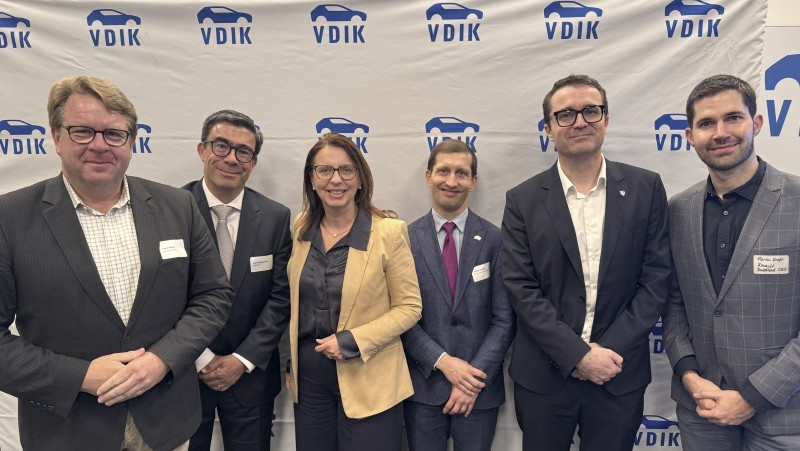
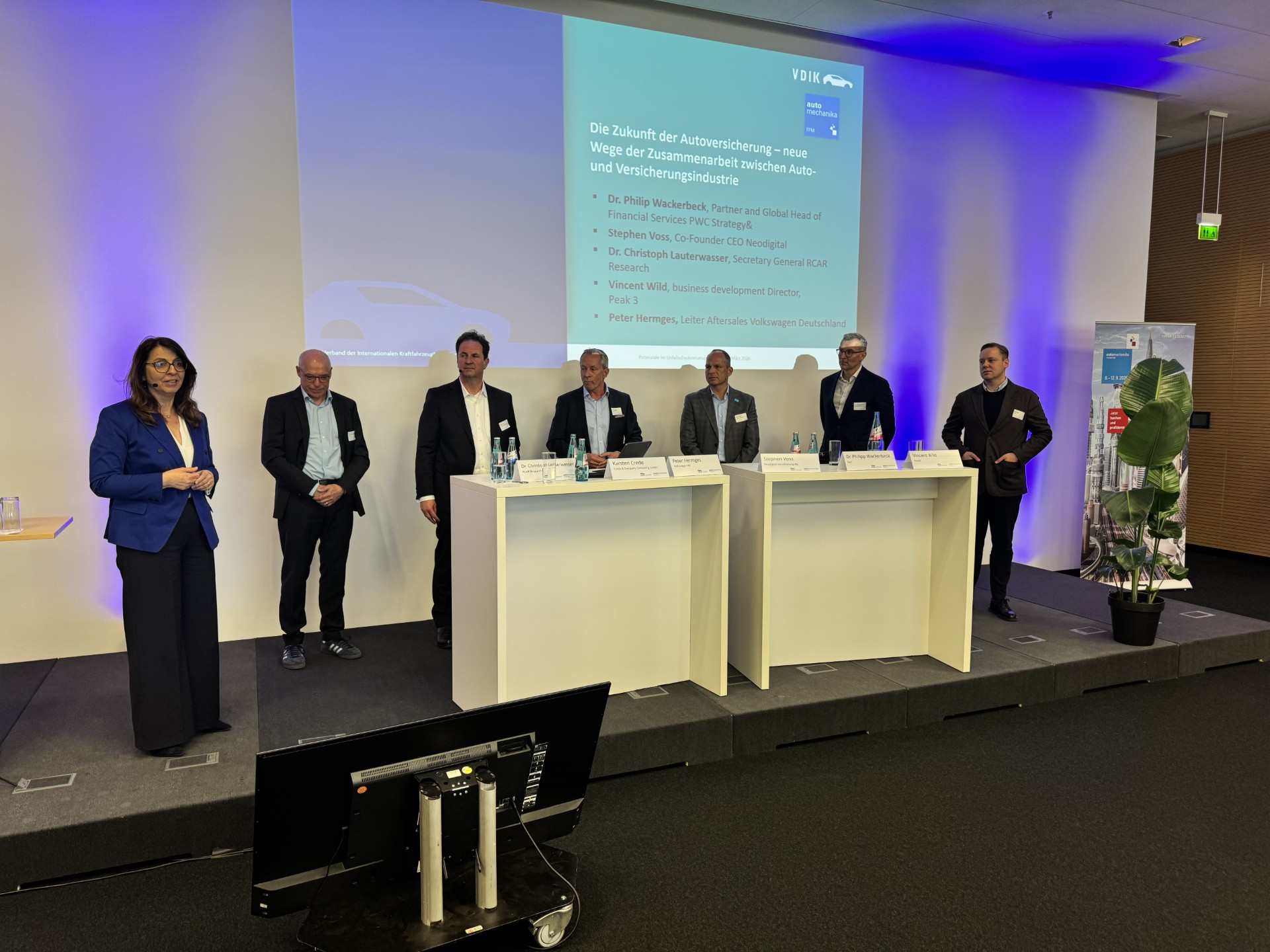
Press photo: Claims Management Expert Forum, March 24, 2026