


The Association of International Motor Vehicle Manufacturers (VDIK) welcomes the fact that the coalition has agreed on a basic direction for the future promotion of climate-friendly mobility. The planned support for households with low and middle incomes is an important signal to further advance the market ramp-up of electric mobility. The VDIK particularly welcomes the fact that plug-in hybrids are being promoted on an equal footing, as they act as an important bridge technology on the road to fully electric mobility.
At the same time, however, the VDIK sees considerable room for improvement in key areas of the design – particularly with regard to consumer interests, market stability, and fair competition.
VDIK President Imelda Labbé: “The coalition agreement is an important signal, but the support remains incomplete in key areas. If you really want to enable social mobility, you have to include the used car market – it is crucial, especially for households with low and middle incomes. Pure cash subsidies weigh on residual values and do not solve the main problem people face: high and non-transparent electricity prices. Added to this are planned local content requirements that would lead to unnecessary bureaucracy and disadvantage international manufacturers – precisely those companies that provide affordable mobility today. We now need a program that is market-driven, consumer-oriented, and fair to all providers.”
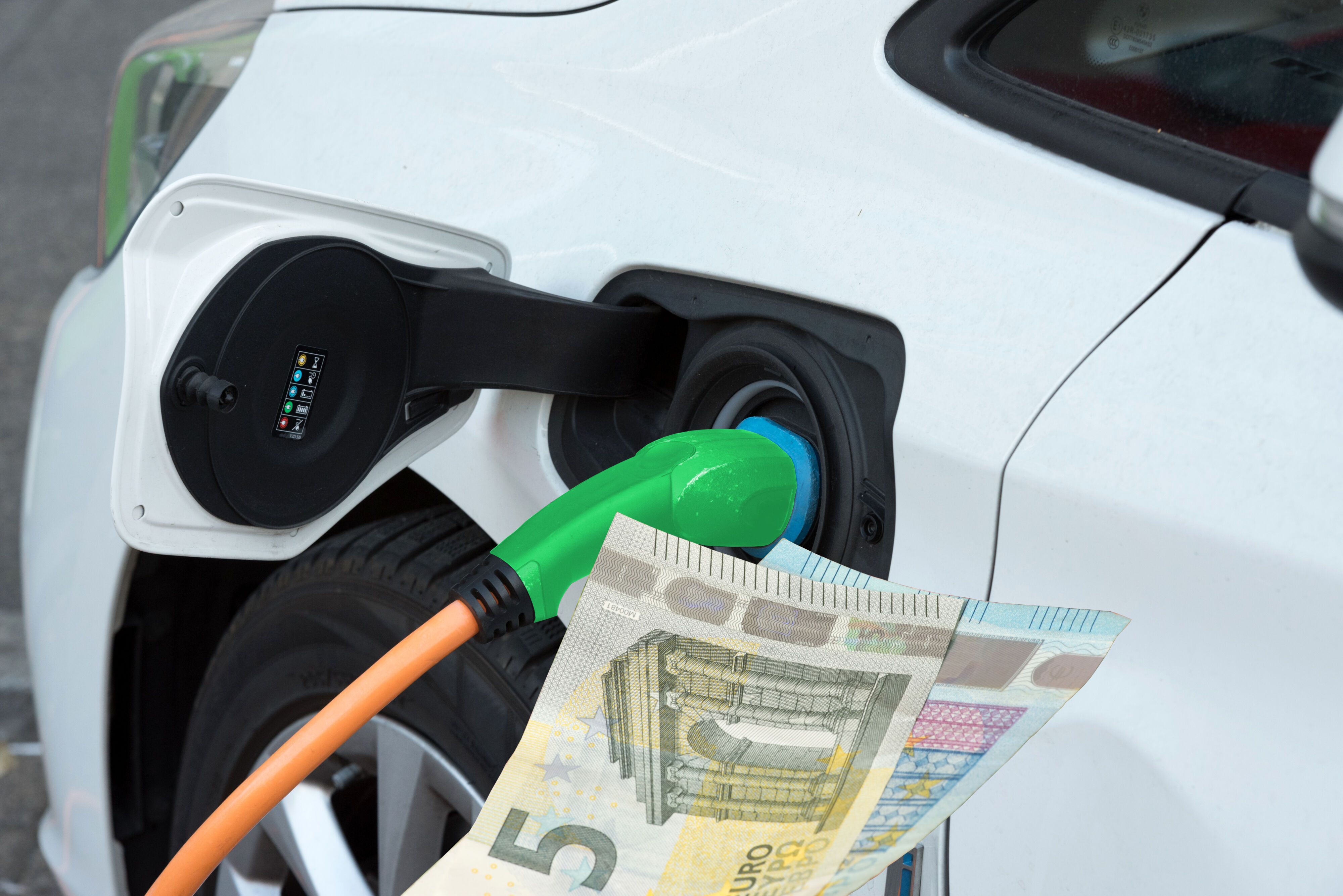
The planned cash subsidy of €3,000, plus child and social allowances, provides a financial incentive, but in the opinion of the VDIK, it does not solve the central problems faced by buyers. Customer surveys show that high and non-transparent electricity costs are the most important reason for reluctance to buy. An electricity price credit instead of a premium preserves residual value and is in the interests of consumers. Proof of household income creates bureaucracy, which must be avoided at all costs in the implementation.
A cash subsidy leads to falling residual values. This counteracts the desired social relief and places a burden on those who have recently purchased a vehicle. The VDIK strongly criticizes the fact that used electric vehicles are not included in the subsidy program. Households with low and middle incomes in particular predominantly buy used vehicles – it is precisely for this target group that the incentive to switch to electric mobility should be created. The remarketing of young used cars is also a key factor for economically viable leasing conditions in the new car market.
To prevent potential electric car customers from waiting any longer and causing the market to come to a standstill, the subsidy must come into effect retroactively from January 1, 2026. Furthermore, the coalition agreement does not contain any statement on the duration of the subsidy. From the VDIK’s point of view, a subsidy period of at least three years is absolutely necessary to ensure stability and investment security for manufacturers, dealers, and consumers. Short-term or annually changing subsidy frameworks regularly lead to market fluctuations and uncertainty.
The VDIK is particularly critical of the planned integration of local content and EU preference rules. Such criteria would create an almost unmanageable bureaucracy, increase implementation costs, and hinder free competition. The VDIK considers it unacceptable for international manufacturers—who play a central role in affordable mobility in Germany—to be structurally disadvantaged by subsidy regulations.
The VDIK calls on the federal government to adapt the subsidy program quickly in the further process in the interests of consumers and market functionality:
- Inclusion of the used car market for genuine social mobility
- Electricity cost component instead of pure cash subsidy
- Fair, competition-neutral requirements that do not disadvantage international manufacturers
- A term of at least three years and retroactive effect to January 1, 2026, for planning security
- Low-bureaucracy implementation without uncontrollable local content rules and complex proof of household income.
The VDIK offers the federal government close technical cooperation to design the program in a consumer-friendly, market-stabilizing, and competition-open manner.