


The Association of International Motor Vehicle Manufacturers (VDIK) expressly welcomes the draft of the 2030 Charging Infrastructure Master Plan published this week as an important step in advancing Germany on the path to a comprehensive, user-friendly, and competitively organized charging infrastructure. The federal government is thus committing itself to market principles, technology neutrality, and price transparency. However, the VDIK finds that clear deadlines, quantitative targets, and measurable success indicators are lacking.
VDIK President Imelda Labbé: “The draft of the 2030 Charging Infrastructure Master Plan reflects many of the VDIK’s suggestions. Nevertheless, the proposal remains non-binding on key points. It lacks clear expansion targets, binding timelines, and verifiable indicators at the municipal level. Important obstacles, such as long grid connection times, bureaucratic approval procedures, and insufficient incentives for private charging points and neighborhood charging stations, are also only addressed incompletely.”
In its statement on the draft bill, the VDIK focuses on the following key demands:
- Prioritize truck charging: Binding expansion and network schedule for megawatt charging system corridors, depots, and off-highway charging with clear deadlines for grid connections.
- Strengthen municipal responsibility: Introduction of a nationwide charging indicator and introduction of KPI-based minimum targets for municipalities.
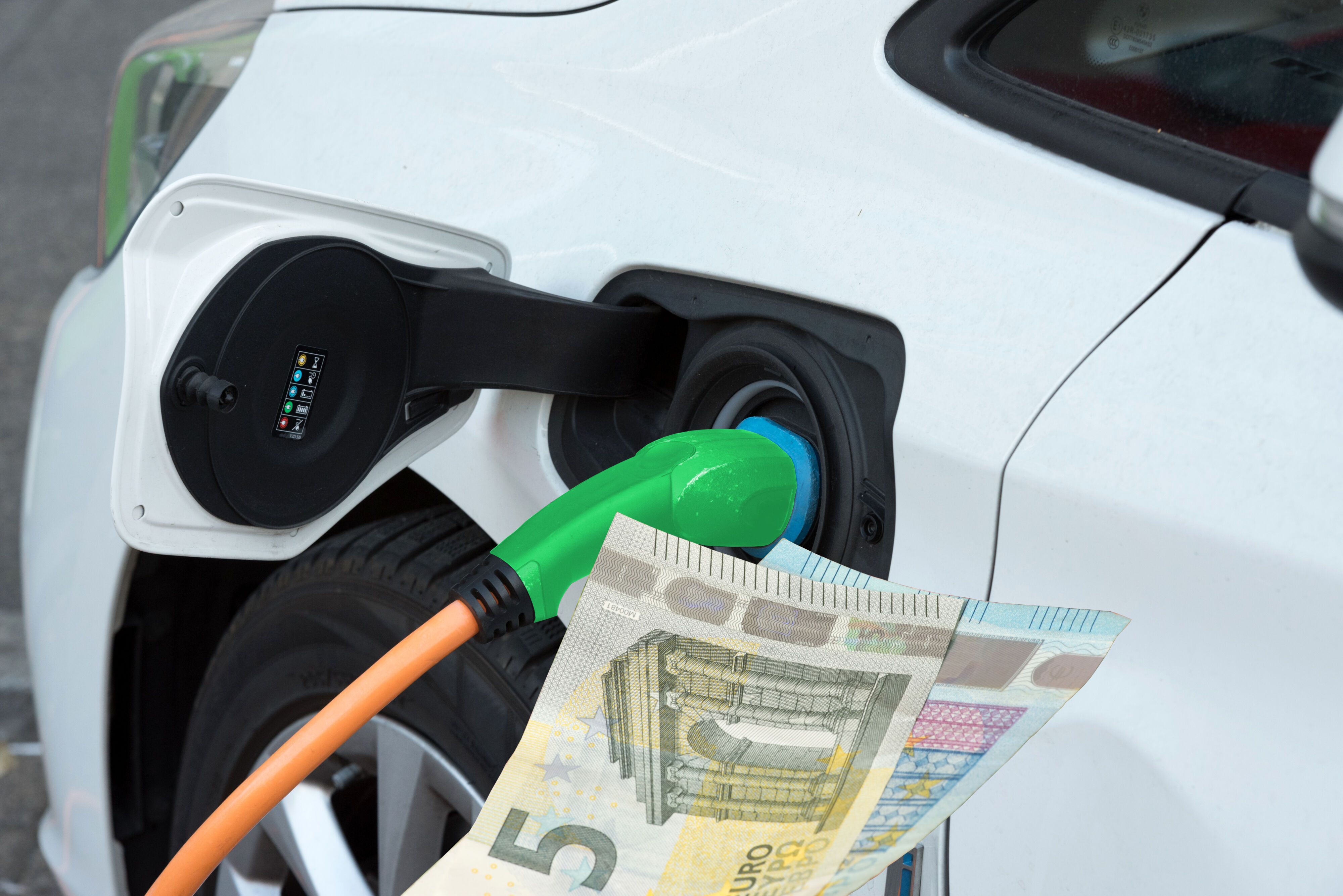
- Transparency package 2026: Central publication of prices and availability, uniform regulation of blocking fees, and real-time price transmission to service providers.
- Promote private charging infrastructure: Combination of investment, tax, and legal incentives, including the right to a wallbox, reduced sales tax, and tax-free employer charging. Mandatory requirements for charging infrastructure in multi-family homes.
- Ensuring technological openness: Explicitly opening funding lines for inductive, plug & charge, bidirectional, and interchangeable systems, anchoring interoperability in accordance with DIN/ISO standards.
The master plan covers a wide range of framework conditions. However, if the charging infrastructure master plan is to become an effective master plan for ramping up electric mobility, as demanded by the VDIK, then we must also involve electricity producers with a quantified plan for affordable charging electricity. Only with clear goals, reliable deadlines, and fair framework conditions can the market ramp-up of electric mobility succeed—and Germany’s position as an automotive location be strengthened. We now need speed, commitment, and transparency instead of further declarations of intent. The VDIK is ready to actively support this process with its international experience,” said Labbé.