

The rise of electric mobility is key to achieving climate goals. This is now also stated in the German government’s 2026 Climate Protection Program. However, according to the Association of International Motor Vehicle Manufacturers (VDIK), the climate protection plan does not introduce any new measures beyond the promotion of charging infrastructure in multi-unit residential buildings. Rather, the plan summarizes what is already known – measures the German government is implementing or plans to implement together with the European Commission.
VDIK President Imelda Labbé: “International automakers support the federal government’s measures, such as subsidies for private electric vehicles. What matters now is swift and straightforward implementation. The recently published subsidy program for charging infrastructure in multi-unit residential buildings is also an important step. What is still missing, however, is a comprehensive strategy, as the VDIK has long been calling for in its master plan. Especially when it comes to charging infrastructure in multi-unit residential buildings, it is more important than ever that all relevant industrial policy stakeholders and sectors – such as the construction, energy, and automotive industries – be involved.”
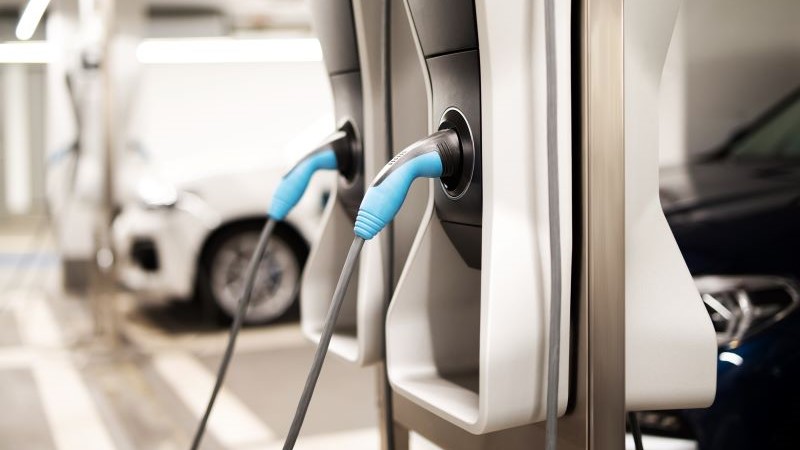
The subsidy program can make an important contribution to ensuring that, in the future, it is not only homeowners with their own wallbox in a carport or garage who can conveniently charge at home. Especially in urban areas, the development of charging infrastructure in residential neighborhoods could provide a boost for the ramp-up of electric mobility in cities.
The 2030 Charging Infrastructure Master Plan, the Building and Electric Mobility Infrastructure Act (GEIG), and the simplification of passenger car energy consumption labeling are further measures that can contribute to making electric mobility suitable for everyday use, provided they are implemented consistently and swiftly.
The practical implementation of these programs will determine whether the electric vehicle market can gain momentum. The positive social effects anticipated by the federal government – which are intended to bring electric mobility to new segments of the market – also depend significantly on these subsidy programs finally gaining traction. The slow implementation of many announced measures to date could otherwise threaten the acceptance of the programs. The same applies to the hoped-for industrial policy effects and the strengthening of the industry through e-subsidies.