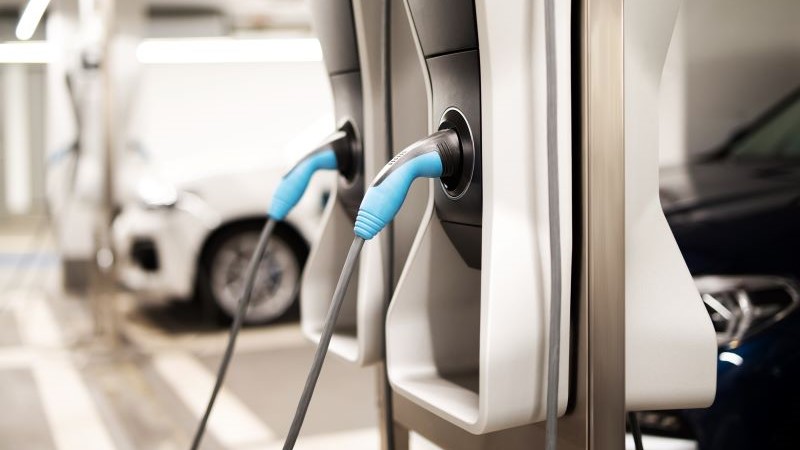


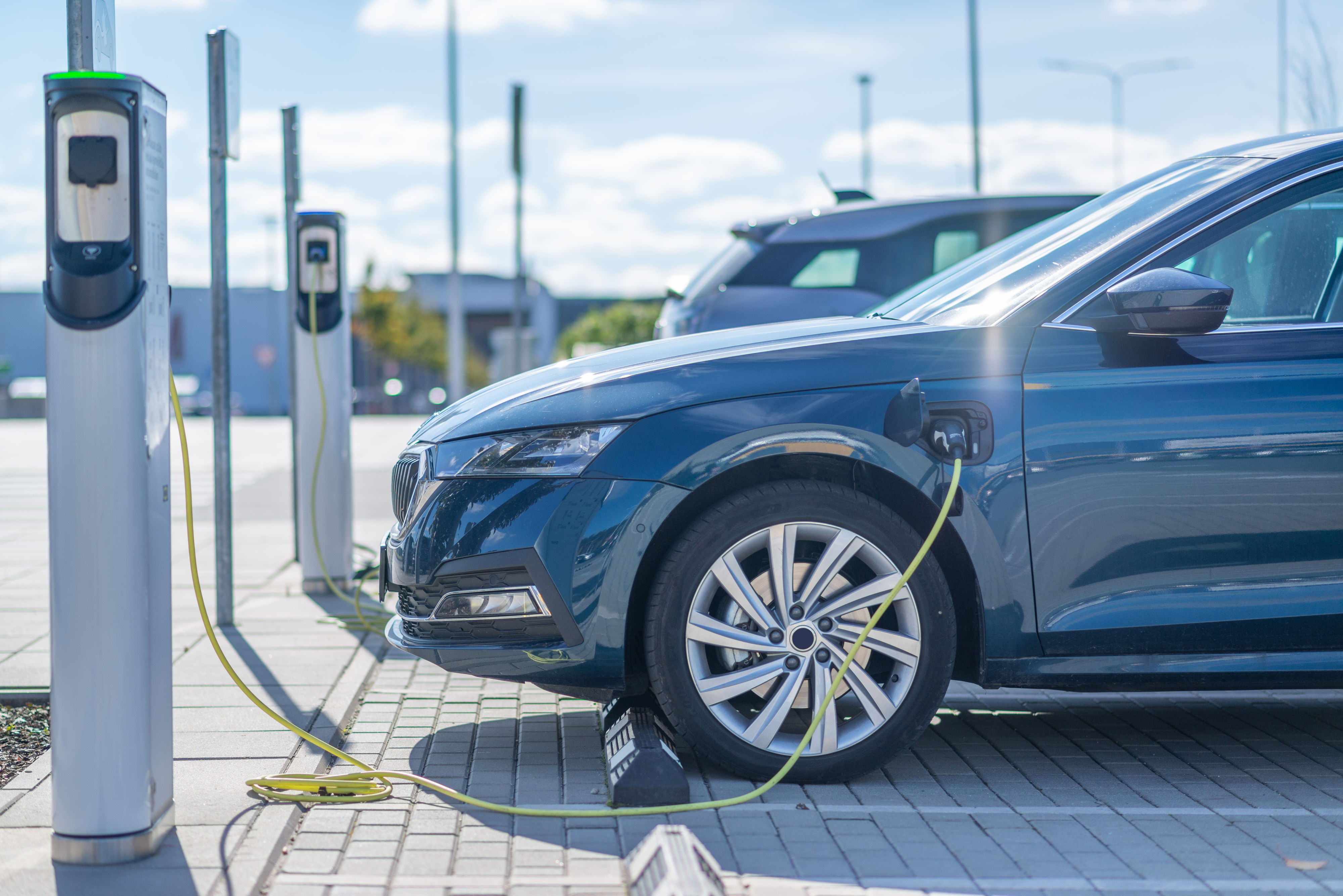
Fair competition at the charging station, uncomplicated charging for everyone: With the transmission model for charging tariffs, politicians and industry could make the public charging infrastructure significantly more user-friendly – and noticeably accelerate the switch to e-mobility. This is highlighted in a joint position paper published today by the German Motor Trade Association (ZDK), the Association of International Motor Vehicle Manufacturers (VDIK), and the Federal Association for Operational Mobility (BBM).
On the eve of the Federal Ministry of Transport’s (BMV) “Charging Infrastructure Conference 2025,” the ZDK, VDIK, and BBM are calling on the federal government to quickly adapt the legal and technical framework so that the transmission model can be applied nationwide.
“If you want to establish electric mobility on a broad scale, you have to think about the charging infrastructure consistently from the user’s perspective,” emphasizes ZDK President Thomas Peckruhn. “Non-transparent, sometimes high charging rates and a jumble of payment cards and billing systems still deter many consumers from buying electric cars. The transmission model can untangle this knot – and become a real game changer.”
The transmission model grants electricity providers non-discriminatory access to public charging stations, enabling customers to use their own electricity tariff in public spaces – regardless of the operator. It ensures greater transparency, uniform billing, and genuine freedom of choice.
VDIK President Imelda Labbé: “The transmission model is the right answer to two major hurdles for the ramp-up of electric mobility, namely high electricity prices and uncertainty at public charging stations. The VDIK already pointed this out in its statement on the draft bill. Electric car drivers should be able to decide for themselves whether they want to use the transmission model or the offers of the charging station operators. The foundations for this must now be laid quickly.”
“We can already see that the model works convincingly in the German truck network. Expanding it to all electric vehicles is the logical next step. The transit model promotes fair competition, reduces costs for electric vehicle owners, and significantly simplifies the use of charging infrastructure. Anyone who sees the success of electric vehicles in German fleets as a catalyst for increasing registration numbers and a functioning used electric vehicle market must take action,” explains Axel Schäfer, Managing Director of BBM.
In their joint position paper, ZDK, VDIK, and BBM show how the model can be further developed legally, technically, and in terms of the market to ensure a fair, competitive, and consumer-friendly market design for public charging in the long term.
“Now we need the political will to finally roll out this model,” demands Peckruhn. “The transmission model is a solution that works, relieves the burden on customers, and enables genuine competition. If we don’t use it, we are missing out on the opportunity to create a charging service that builds trust and can significantly accelerate the ramp-up of electric mobility.”
The three associations criticize the fact that the transmission model is not included in the BMV’s “Master Plan for Charging Infrastructure 2030” – even though it could remove key barriers for consumers and businesses and make the market significantly more user-friendly. ZDK, VDIK, and BBM are therefore calling on the federal government to reconsider the integration of the transmission model in order to further develop the charging infrastructure in a more transparent, competitive, and consistently customer-oriented manner.