

International automakers view lower electricity costs as a key component of the transition to electric vehicles—further investments in charging infrastructure and future technologies are needed
The Association of International Automobile Manufacturers (VDIK) welcomes the German federal government’s decision to lower the electricity tax for businesses and private consumers to the European minimum rate starting January 1, 2027, initially for one year. With this move, the federal government is sending an important signal regarding Germany’s competitiveness as a business location and the advancement of electric mobility.
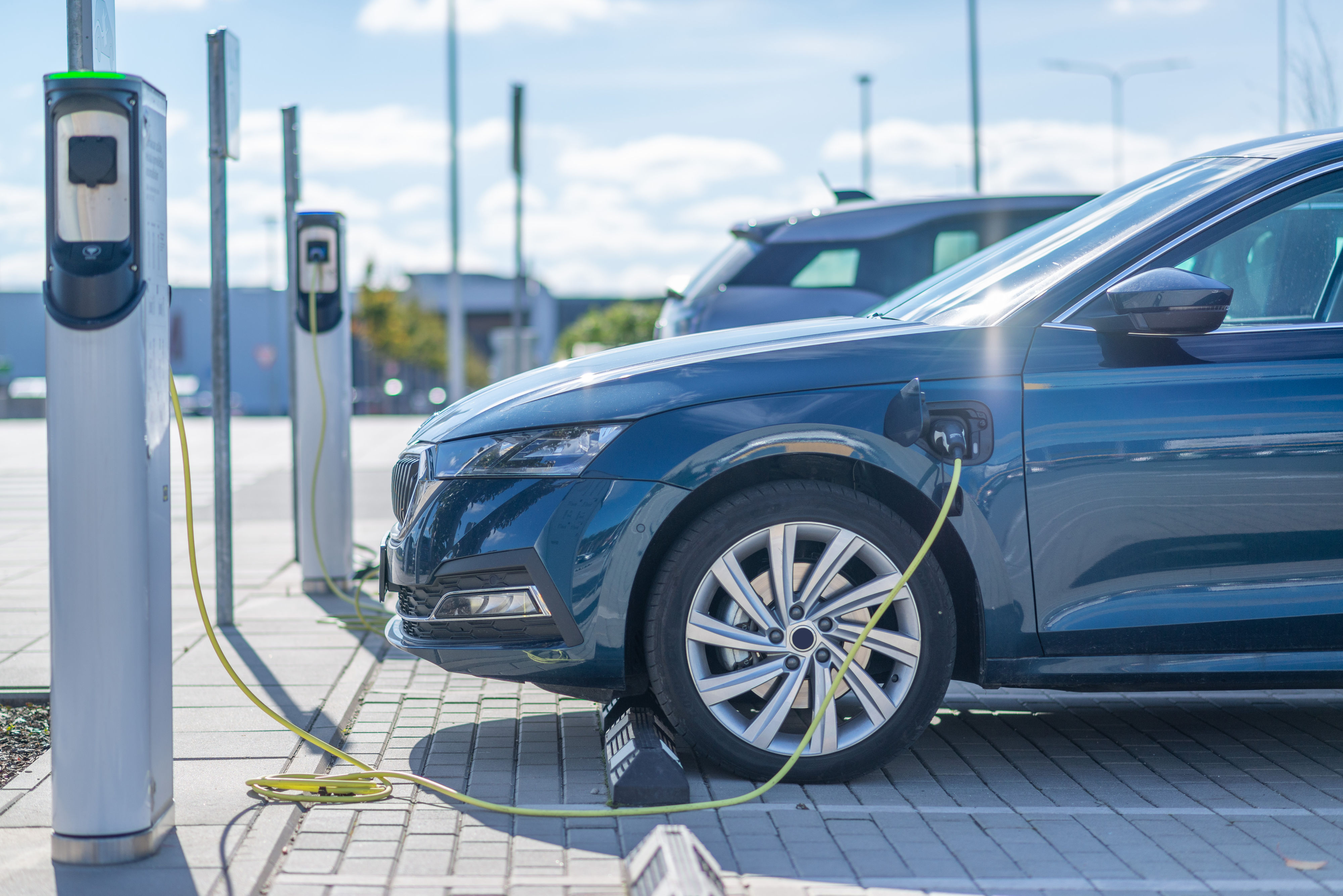
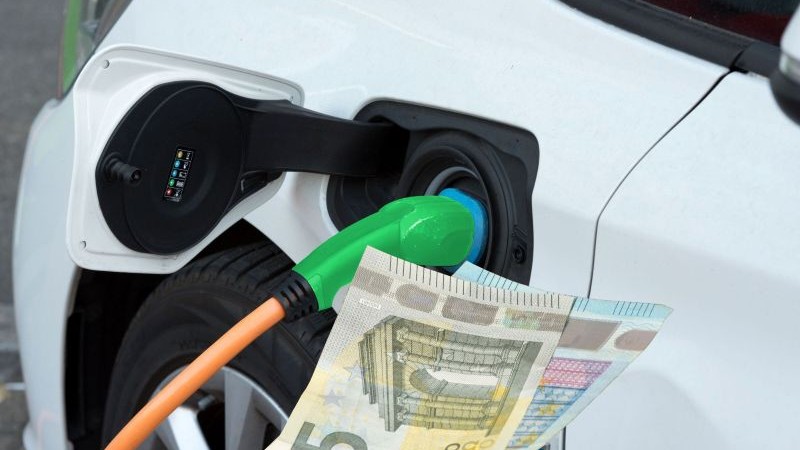
VDIK President Imelda Labbé: “The reduction in the electricity tax is good news for electric mobility. Anyone who chooses an electric car must also be able to benefit from low operating costs. Affordable charging electricity is an essential prerequisite for electric vehicles to establish themselves in the market in the long term. The federal government is taking the right approach here and demonstrating its ability to act. However, this relief must not be limited to just one year. The transition to electric mobility and the associated investments are long-term decisions. Consumers and businesses therefore need the assurance that affordable charging electricity will remain guaranteed beyond 2027. Especially in economically challenging times, reliability and concrete decisions are crucial for the confidence of businesses and consumers. It is now crucial that the relief actually reaches consumers, including at public charging stations.”
The VDIK also welcomes the coalition’s agreement on a temporary fuel price cap effective January 1, 2027. Given the extraordinary price trends resulting from global crises, it is the right move to provide short-term relief to consumers and businesses.
VDIK President Imelda Labbé: “High fuel prices are placing a significant burden on many people and businesses. A temporary fuel price cap can provide relief in this extraordinary situation. It is important that security of supply remains guaranteed and that the measure is limited to the duration of the crisis.”
The VDIK also welcomes the allocation of funds for the expansion of the charging infrastructure for heavy-duty electric commercial vehicles. In particular, megawatt-scale charging infrastructure is an essential prerequisite for the electrification of heavy-duty road freight transport. At the same time, the association sees a need for further action regarding the framework conditions for renewable powertrains and the promotion of future automotive technologies.“
In addition to the transition to electric propulsion, Germany must also make progress in the technological development of mobility. We need stronger impetus, particularly in the areas of autonomous, automated, and connected driving, so that innovative technologies can be turned into marketable applications. We therefore regret that the budget has so far allocated insufficient funds for future automotive innovations. Infrastructure, affordable energy, and innovation must be considered together,” said Labbé.