Automotive Industry Associations Call for a Simple Energy Label for Passenger Cars
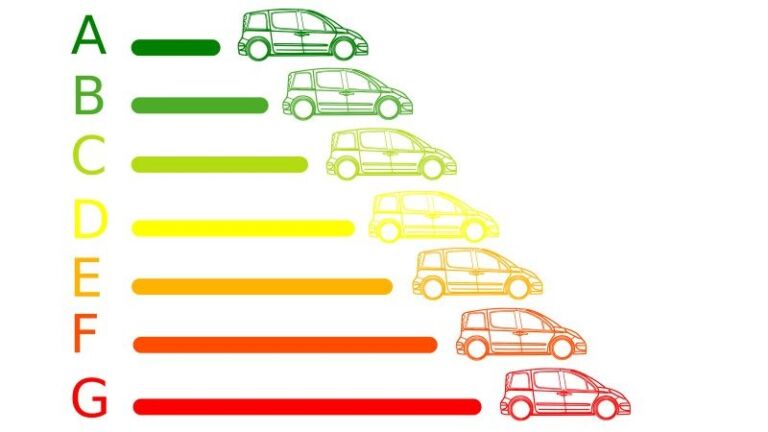
Automotive industry associations in Germany are unanimously calling for a streamlined, understandable, and digital design for passenger car energy consumption labeling. The Association of International Motor Vehicle Manufacturers (VDIK), the German Association of the Automotive Industry (VDA), and the Central Association of the German Automotive Trade (ZDK) are therefore calling for future requirements to be consistently guided by the question of whether they create actual added value for consumers and, at the same time, can be implemented in a legally compliant manner within the automotive industry’s existing sales and advertising structures.
In this context, the associations expressly support the goal of a Europe-wide harmonized regulation on energy consumption labeling for passenger cars as part of the Automotive Package. Uniform, directly applicable requirements at the European level can make a significant contribution to the comparability of vehicles in the single market while also increasing transparency for prospective buyers. However, achieving these goals requires a framework that is legally sound, practical, and understandable to consumers. In the view of VDIK, VDA, and ZDK, however, energy consumption labeling is not suitable for used vehicles, as reliable consumption and emissions data for individual vehicles are not available for a large portion of the vehicle fleet. The result of labeling used cars would be either inaccurate customer information or a significant testing burden and cost due to additional extensive testing.
The existing system for publishing Certificates of Conformity should serve as the European data source for the passenger car energy consumption labeling. The creation of parallel EU databases with identical or largely overlapping content would result in duplicate structures, require additional IT interfaces, raise new liability issues, and create additional bureaucracy. Already today, the approval authorities of the Member States provide key vehicle data through national registries and European exchange systems, thereby ensuring, in principle, effective access to information for market surveillance and consumers.
The energy efficiency labeling for passenger cars should definitely be digital, as vehicle sales and advertising are increasingly conducted through digital, dynamic, and platform-specific formats. Modern labeling must take this reality into account and enable media-appropriate solutions. Simplified presentation formats that convey key information clearly can make a significant contribution to this, while more detailed content is made available appropriately through digital channels.
The planned revision of the energy consumption labeling for passenger cars offers an opportunity to strengthen consumer information, the single market, and the energy transition in equal measure. However, this opportunity can only be realized if the regulations are designed to be clear, proportionate, and realistic.