Discussion about vehicle tax exemption is symptomatic of a lack of transformation plan
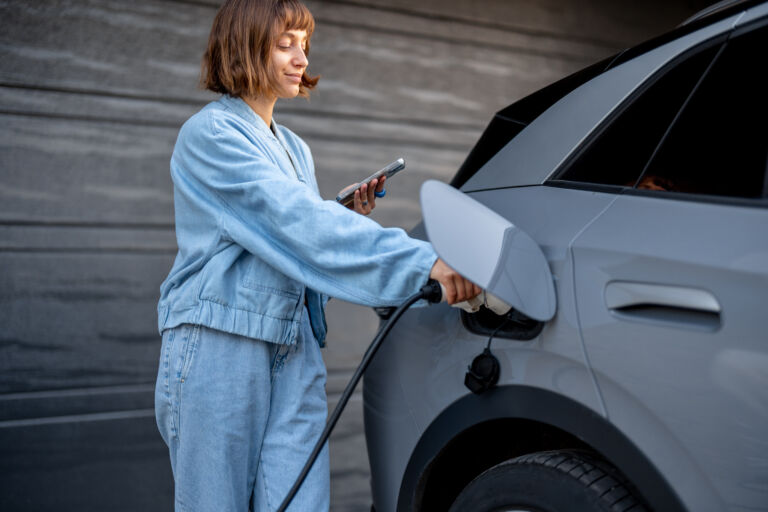
The Association of International Motor Vehicle Manufacturers (VDIK) supports the Federal Ministry of Transport’s (BMV) assessment to extend the vehicle tax exemption for electric cars from 2026. The tax exemption is an important signal for private buyers and is promised in the coalition agreement between the CDU/CSU and SPD. However, according to the responsible Federal Ministry of Finance (BMF), implementation is still being reviewed. The auto dialogue on October 9 at the Chancellery is expected to bring clarity to the discussion.
“We now need clarity as soon as possible regarding the extension of tax exemptions for electric cars beyond 2025. This discussion between the individual departments is symptomatic of the federal government’s lack of a joint commitment to a transformation plan for the automotive industry. We don’t need debates about obviously necessary and comparatively budget-friendly measures such as extending the tax exemption. What we need is a master plan focusing on coordinated, large-scale measures to reduce CO2 emissions and ensure the future viability of the automotive industry,” said VDIK President Imelda Labbé.
Extending the tax exemption is a necessary commitment to the federal government’s willingness to transform. After all, the tax exemption has so far been a functioning purchase incentive and a positive communicative argument for electric mobility. Buyers of electric cars are sensitive to uncertainties and withdrawals of subsidies. This has been demonstrated not only by the abrupt end of subsidies at the end of 2023. If the vehicle tax exemption expires at the end of the year, this would have significant consequences. For example, electric cars would then be taxed even higher than plug-in hybrids from 2026 onwards. This seems implausible and cannot be in the interests of the federal government.
“The auto dialogue is now the coalition’s last chance to commit to CO2 reduction and the future viability of the automotive industry. Chancellor Friedrich Merz must put an end to uncoordinated debates. He must ensure clarity for customers and the implementation of the measures promised in the coalition agreement. What is needed now is a coordinated master plan involving all relevant ministries and stakeholders in the automotive and energy industries in order to create the necessary framework conditions for the transformation,” said VDIK President Imelda Labbé.